
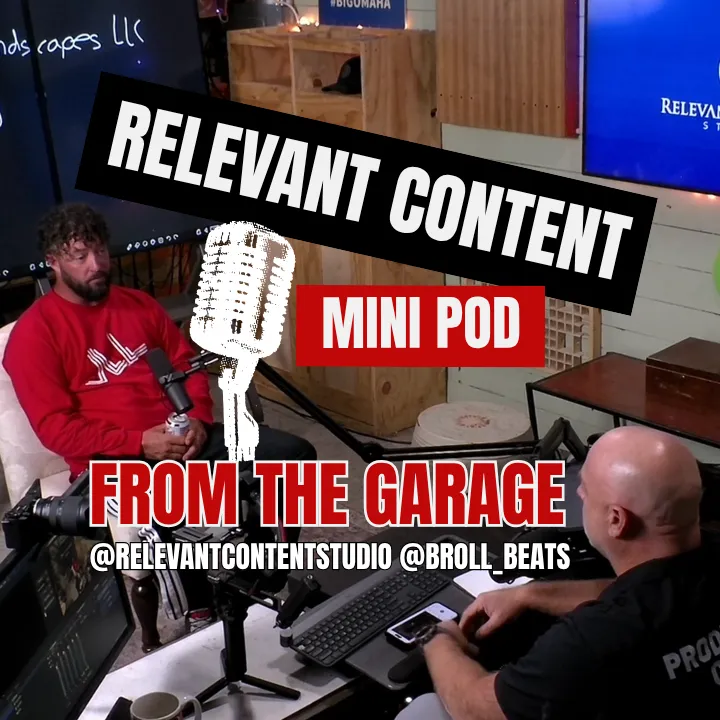
The 90/10 Rule of Networking
Mini Pod · 15-minute conversations with Nebraska entrepreneurs · Guest: Jason Gayed, Jason's Lawn & Landscapes
Most people walk into a networking event thinking about one thing: how do I get more people to know about my business? Jason Gayed flips that completely. His rule is simple: spend 10% of the time talking about yourself and 90% talking about everyone else.
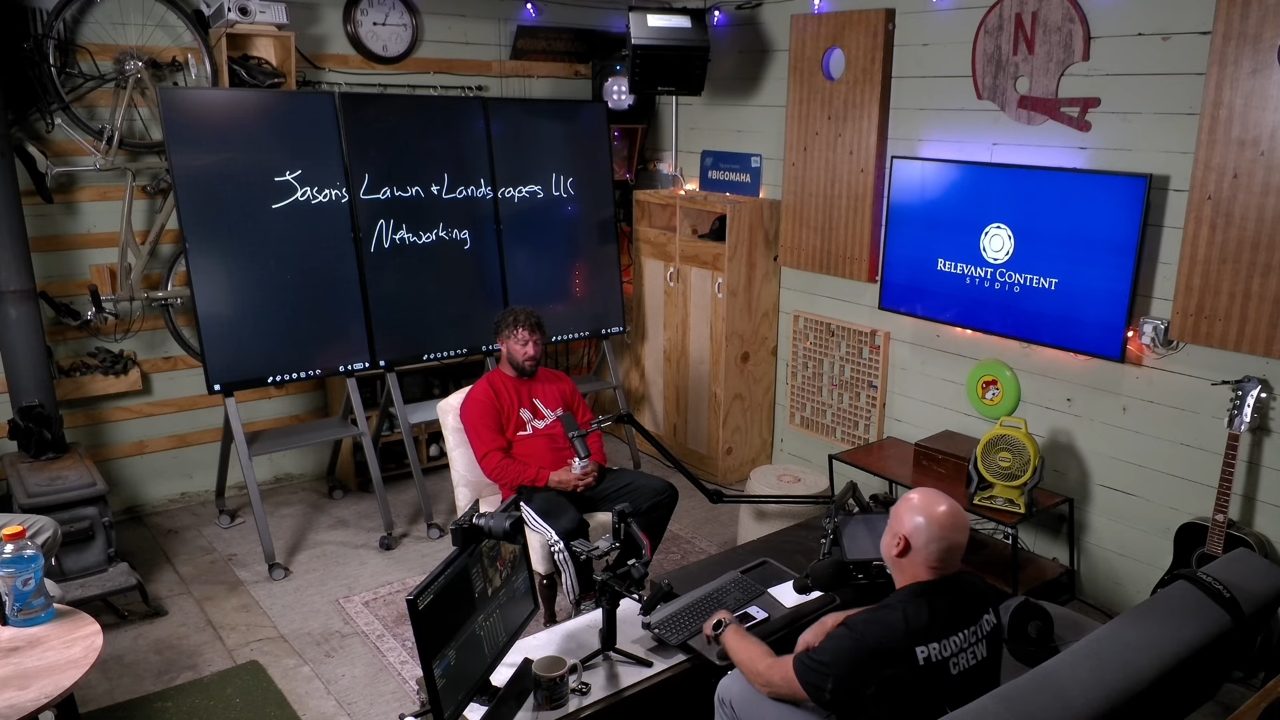
Of all the people I know in Lincoln, Jason is my favorite at networking. When I first stepped into the networking world, I met him at a random event. We had a casual conversation, he politely invited me to a one-on-one, and he spent most of it asking about me and my business. Then he followed up quickly. Since then he's been an advocate for Relevant Content Studio, making introductions and opening doors. So I sat him down for a Mini Pod to find out how he does it.
▶ Watch the full episode:The 90/10 Rule of Networking | Jason Gayed | Mini Pod(15 min)
The 90/10 rule
You've probably heard the 80/20 rule for social media: 20% about your business, 80% about who you are. Jason says networking should go even further. Talk about yourself 10% of the time, and spend the other 90% learning about, and helping, everyone else.
He gives two reasons. First, relationships are where the value is, and nobody wants to spend time with someone who only talks about themselves. Second, when you rarely ask for anything, the one time you do ask actually lands. People remember everything you've done for them and are glad for the chance to return the favor.
"Creating relationships is where the magic is." — Jason Gayed
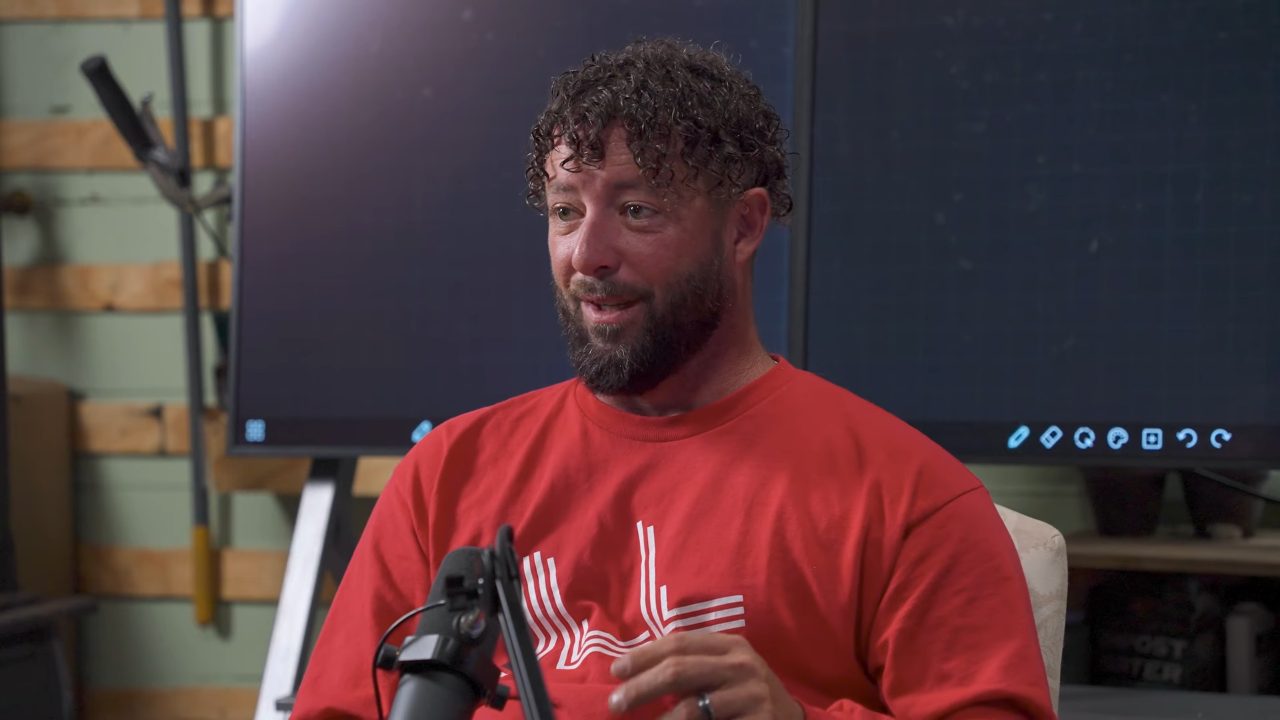
Get past face value
A handshake and a business card only tell you so much. Jason's favorite part of networking is what happens when you take the time to really know someone. That's how he ended up talking solar with me in my studio, and now we invest in each other's businesses. It doesn't feel like an obligation or a scorecard.
Even when a relationship never turns into a dollar, he's still learning from the people around him. As he puts it, the sky's the limit once you stop asking "how do I turn this into money?" and start asking "what can I learn from this person?"
It's bigger than leads
I went into networking expecting it to be stiff and awkward, and sometimes it is. But what started as a search for leads turned into real friendships, deeper ties to the community and fun nights supporting local nonprofits. That sense of connection is good for business too. People want to work with people they feel connected to.
One-on-ones are where the magic happens
The basic formula is simple: join a networking group (many meet weekly), then book one-on-ones with the people you meet. Jason aims for two or three a week, so he's seen every style, from people with a hard agenda to people who just talk about themselves for 30 minutes and leave.
His are different. They're supposed to last an hour, but they regularly run an hour and a half or longer because the conversation actually flows. When a one-on-one runs long, that's usually a sign the relationship is real and will stick.
Questions Jason asks in every one-on-one
What are your goals?
What have you achieved that you're proud of?
What are your interests outside of work?
What other networking events do you know about that I might not?
What does a really good referral look like for you, and what's a bad one?
That last question matters. Sending someone a hundred leads they have to turn down doesn't help either of you.
Rule #1: Make Jason look good
Jason only refers people he trusts, because a referral puts his name on the line. If he sends a close friend your way, he expects you to take great care of them. Until he's sure you will, he won't send anyone. A referral that goes badly burns the person who made it, even though they were just trying to help both sides.
Give value on the spot, skip the sales pitch
If you can help someone right there in the meeting, do it: an introduction, an invite, a tip. It builds trust and, as Jason says, it fills your cup. What doesn't work is walking in with a scripted sales presentation. It feels awkward, people put their guard up, and they second-guess everything you say. People would rather do business with someone who cares about them first.
Follow up, then follow up again
You'll shake a lot of hands networking. None of those relationships go anywhere without follow-up. Jason's rhythm:
Follow up the next day.
Follow up again about 7 days later.
Check in again around a month later.
After that, stay consistent at whatever pace fits the relationship.
Every check-in comes back to the same questions: Is there anything I can do for you? What do you need? How can I help?
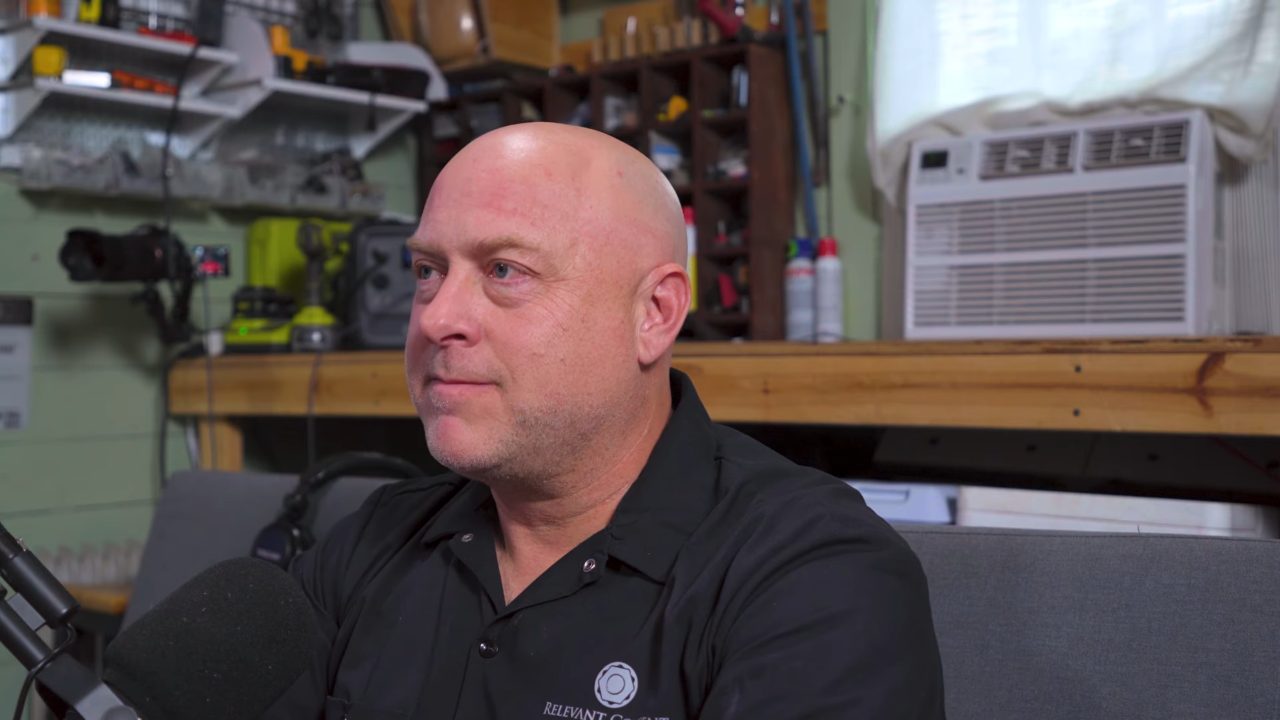
Service swaps
If you're just starting out and money is tight, trade services. A swap lowers the risk for the other person and lets them see your work firsthand. Jason's advice: treat a swap exactly like a paying client. Do great work and it pays you back many times over in a portfolio piece, a testimonial and referrals.
How to start networking
If you own a business and haven't started networking yet, Jason's advice is to just go:
Search what's near you. Google it or ask ChatGPT, then visit. Most groups let you attend once or twice for free, and a new face usually gets a warm welcome.
Don't judge by the first visit. Every group has its own culture and vibe, even chapters of the same organization. Good or bad, your first experience won't match every one after it.
Get comfortable being uncomfortable. Jason used to feel social anxiety before events. He was always glad he went, and he always left with at least one good connection.
Collect resources, not just leads. Networking gave Jason a tire guy for a blowout and an insurance agent he can call on a Saturday from Colorado. Those are people you didn't know you needed until you did.
Jason treats time as a nonrenewable resource, so he's careful how he spends it. That's exactly why the 90/10 rule works: when you give people your time and attention first, the relationships, referrals and business follow.
Connect with Jason
Facebook & Instagram: Jason's Lawn & Landscapes
Website: 402lawn.com
Want your own Mini Pod? Mini Pods are quick 15-minute conversations that share your expertise and give you a full episode plus short clips for social. Book a discovery call with Relevant Content Studio.
